
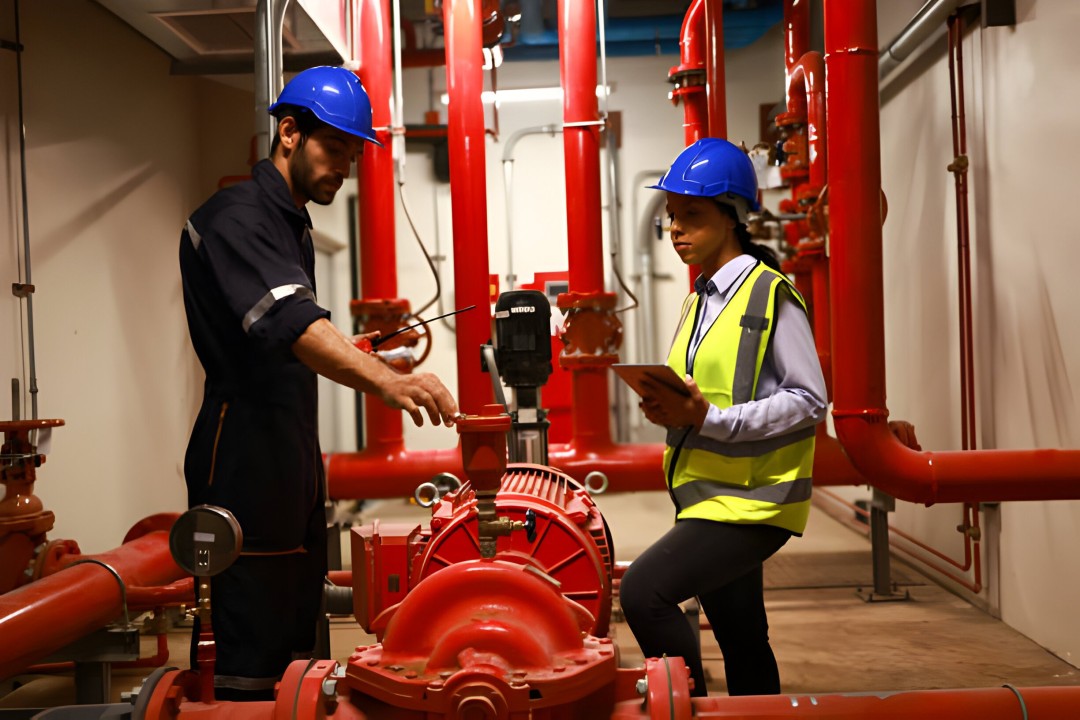
Fire safety is an essential aspect of responsible building management and community wellbeing. Whether for residential properties, commercial spaces, or industrial facilities, fire protection plays a pivotal role in preventing loss, reducing risk, and ensuring that occupants are safe in emergency situations. With the increasing emphasis on safety standards and regulatory compliance, many organisations are seeking professional services that offer comprehensive fire protection planning, implementation, and maintenance.
The Importance of Fire Protection
Fire incidents can have devastating consequences. Beyond the physical damage to structures, fires can cause injury, loss of life, and long-term emotional and economic impact. The severity of a fire often depends on how quickly it is detected, how effectively early response actions are taken, and how prepared occupants are to respond safely.
Fire protection is about more than just extinguishing flames. It involves a holistic approach that includes risk assessment, fire detection systems, prevention strategies, and emergency preparedness. When these elements work together, they create safer environments where people can live, work, and go about daily life with confidence.
Understanding Fire Risk Assessment
A crucial first step in any fire safety strategy is a thorough risk assessment. This involves evaluating a property or facility to identify potential fire hazards and understanding how a fire might spread. Fire risk assessments take into account factors such as:
- Building materials and layout
- Electrical systems and equipment
- Storage of flammable materials
- Occupant characteristics
- Existing fire safety measures
The goal of risk assessment is to develop a clear understanding of vulnerabilities so that appropriate prevention measures can be put in place. Professional consultants help organisations prioritise actions and make informed decisions about fire protection planning.
Fire Detection and Alarm Systems
Early detection is key to minimising fire damage and ensuring occupant safety. Fire detection and alarm systems are designed to alert people to danger quickly and efficiently. Modern systems use advanced sensors that detect smoke, heat, and even changes in air quality to trigger alarms before a fire can grow out of control.
A reliable alarm system must provide clear audio and visual warnings, and be connected to emergency response protocols. In many jurisdictions, regular testing and certification of fire alarm systems are required to maintain compliance with safety regulations.
Suppression Systems and Extinguishers
Once a fire is detected, suppression systems are essential to control or extinguish flames. These systems vary depending on the type of building and fire risk. Common suppression methods include:
- Water sprinkler systems
- Foam systems
- Gas suppression systems
- Fire extinguishers for specific hazards
Each solution is tailored to different environments — for example, water-based systems are common in offices and residential buildings, while gas suppression may be used in server rooms or areas with sensitive equipment. A comprehensive fire protection plan ensures that appropriate suppression systems are specified, installed, and maintained.
Emergency Planning and Evacuation Strategies
Fire protection also includes effective emergency planning. This involves preparing occupants with clear instructions, evacuation routes, and assembly procedures in the event of a fire. Regular drills and training exercises help ensure that people know how to respond calmly and safely, decreasing the risk of panic during an actual emergency.
Drafting an emergency plan involves:
- Mapping out exit routes and emergency signage
- Identifying safe assembly points
- Assigning roles to trained personnel
- Communicating procedures to all occupants
A well-practised plan can save valuable seconds when it matters most.
Fire Protection Maintenance and Compliance
Fire safety is not a one-time task — it requires ongoing attention. Regular inspection and maintenance of fire protection systems are necessary to ensure that equipment functions correctly when needed. This includes:
- Periodic testing of detection systems
- Servicing of alarm systems and control panels
- Checking the condition and pressure of fire extinguishers
- Servicing sprinkler and suppression systems
Maintenance also helps organisations stay compliant with local fire safety codes and regulations. Non-compliance can result in penalties, increased insurance costs, and heightened risk to occupants.
Training and Education for Fire Safety Awareness
People are the most important component of any fire protection strategy. Even the best systems can fail if occupants are not aware of how to respond. Fire safety training covers essential skills such as:
- Recognising fire hazards
- Operating fire extinguishers properly
- Understanding alarm signals
- Knowing evacuation procedures
Regular training sessions build confidence and preparedness. Schools, workplaces, and residential complexes that prioritise training foster a culture of safety and responsibility.
Tailored Fire Safety Solutions for Different Settings
Each setting has unique fire protection needs. Commercial buildings, for example, may require complex alarm networks and automated suppression systems. Industrial facilities might focus more on flammable material handling and specialised containment systems. Residential developments often emphasise early warning systems and accessible evacuation routes.
Effective fire protection solutions are customised according to building use, occupancy, and risk profile. Expert consultation ensures that plans are not generic but based on a thorough evaluation of specific requirements.
Why Professional Fire Protection Matters
Investing in professional fire protection services ensures that safety measures are not only compliant but also effective. Trained experts bring industry knowledge, technical expertise, and practical insights that help organisations implement robust systems. From planning and installation to maintenance and training, professional support ensures that every aspect of fire safety is addressed comprehensively.
In Singapore’s urban environment, where building safety standards are stringent and buildings are densely populated, expert fire protection planning and execution are essential.
Community Safety and Shared Responsibility
Fire safety is a collective effort. Property owners, managers, tenants, and service providers all play a role in creating safe environments. Organisations that work in partnership with qualified fire protection professionals help raise the baseline of safety for everyone involved. Awareness campaigns and community workshops further strengthen public understanding of fire risks and prevention strategies.
The Future of Fire Safety
As technology advances, so does fire protection. Smart detection systems, automated suppression technologies, and data-driven maintenance schedules are transforming how safety is managed. Integration of digital tools helps facilities monitor equipment performance in real time, anticipate issues before they arise, and streamline emergency responses.
Staying informed about the latest innovations ensures that fire protection strategies remain effective and responsive to evolving risks.
Taking Proactive Steps Toward Fire Safety
Fire protection is an ongoing commitment. By combining professional planning, quality systems, regular maintenance, and informed occupants, organisations can significantly reduce the likelihood and impact of fire-related incidents. A comprehensive approach to safety protects lives, preserves property, and gives peace of mind to building users.
For those seeking dependable support and end-to-end fire safety solutions, engaging with an experienced provider such as King Fire – Fire Protection Company offers a strong foundation for effective risk management, compliance, and long-term safety.
