
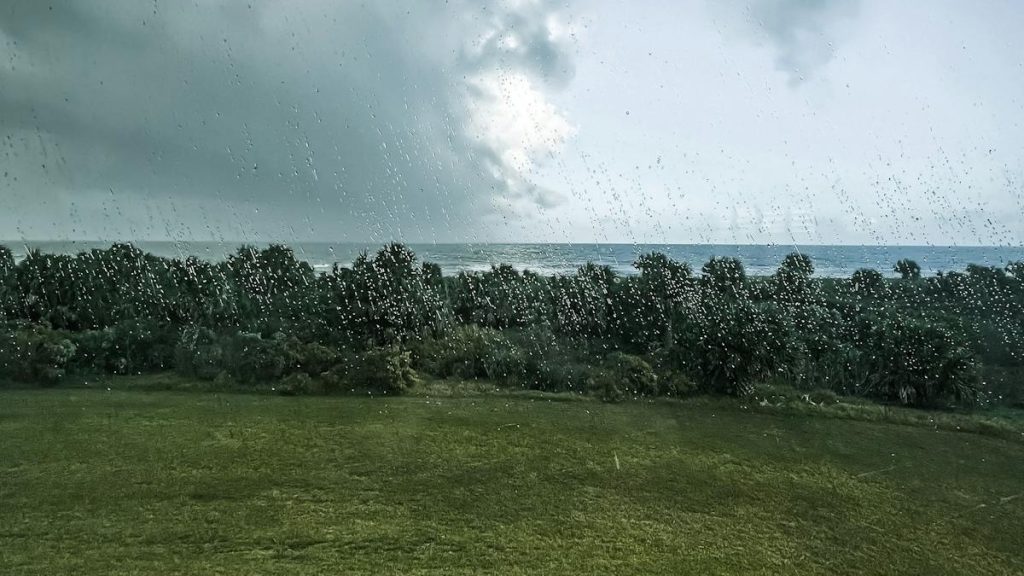
For generations, April has represented a gentler transition in South Florida, a time when the intense summer storms remain weeks away and the landscape begins to green without overwhelming downpours. This year shattered that expectation. A lingering atmospheric setup, shaped by neutral ENSO influences and unusually warm Gulf waters, has delivered triple the typical rainfall to Miami-Dade, Broward, and Palm Beach counties in just the opening weeks of the month. What many viewed as refreshing relief from dry conditions quickly escalated into widespread saturation of building envelopes, with water finding its way through roofs, siding, and slabs and paving the path for an aggressive, largely invisible mold proliferation.
Official weather summaries underscore the anomaly. Long-term April averages across the three counties fall between 2.5 and 3.7 inches. This month, numerous neighborhoods have already tallied 8 to 12 inches, punctuated by prolonged heavy showers from sluggish systems. These events lacked the spectacle of tropical cyclones—no roaring winds or surging tides—yet their steady, saturating nature quietly strained decades-old stormwater systems and exposed weaknesses in countless structures, converting everyday living spaces into ideal incubators for fungi.
At the heart of the issue is the biological aftermath rather than the rainfall totals themselves. Naturally occurring mold spores, ever-present in the subtropical atmosphere, need only persistent dampness and ambient heat to germinate and spread at alarming speed. Property recovery specialists report that active growth can begin 24 to 48 hours after moisture intrusion goes unnoticed. In the wake of these April storms, varieties including black mold have taken root in concealed areas such as roof trusses, subfloor cavities, wall interiors, and around plumbing chases—spots rarely inspected until a subtle earthy scent or health symptoms surface.
Medical teams in area hospitals and clinics have documented a clear increase in indoor-air-related illnesses. Residents are presenting with intensified asthma attacks, aggravated allergic responses, and lung inflammation, even in properties that sustained only limited visible wetting. The most vulnerable groups—young children, elderly residents, and those managing chronic conditions—bear the greatest burden, as the problem advances silently within enclosed environments instead of through overt floodwaters that dominate news coverage.
The monetary impact is compounding in understated ways. Insurance representatives note a flood of claims that occupy a murky middle ground: too extensive for standard maintenance coverage yet ineligible for full catastrophe payouts. Policyholders frequently confront sizable out-of-pocket costs or reduced settlements. Cleanup and restoration businesses are running at maximum capacity, with appointments extending into late summer. Modest-scale projects for contained mold issues typically range from $2,500 to $6,000, while comprehensive structural interventions in legacy single-family residences or modest condominium units often surpass $20,000 after the removal of tainted drywall, padding, and cabinetry.
One case highlights the human dimension in Fort Lauderdale, where a community college instructor in a 1960s split-level residence discovered seepage along window casings following multiple days of rain. She addressed the surface moisture swiftly, yet within weeks her two elementary-school-aged children began experiencing recurring headaches and shortness of breath. Detailed testing later identified widespread mold colonization inside the exterior walls and attic space. The family was forced to part with irreplaceable belongings, including a collection of children’s artwork, antique books, and stored holiday decorations ruined by undetected humidity.
A separate situation unfolded in Miramar, involving a small-business owner and her husband in a 1990s townhome. Minor pooling near the garage door after heavy showers led to hidden moisture migration into the living area flooring. Their teenage son soon developed persistent sinus congestion requiring medical attention. Professional mold remediation companies like Mold Only uncovered mold throughout the subfloor and lower wall studs, necessitating temporary relocation and the disposal of water-damaged gym equipment, area rugs, and family photo archives.
The season’s early arrival has magnified the challenge. Much of the region’s residential building stock was engineered for a more stable climate pattern that has since shifted. Elevated groundwater levels tied to ongoing sea-level rise have diminished natural soil absorption capacity. Features once considered adequate—such as traditional flat or low-slope roofs, basic window seals, and minimal moisture barriers common in postwar and late-20th-century construction—now prove inadequate against intensified precipitation. Water-damage analysts frequently link the failures to years of overlooked upkeep instead of original design flaws, though the recent rains accelerated those vulnerabilities into urgent and costly repairs.
No statewide emergency proclamation has been issued, but municipal call centers are handling elevated volumes of reports concerning street flooding and potential sinkhole activity. Broward County crews are prioritizing infrastructure assessments in flood-prone districts, and Miami-Dade authorities continue to recommend thorough documentation of all property impacts in anticipation of possible assistance programs. Officials emphasize, however, that the bulk of recovery efforts will rest with individual homeowners and private resources.
Current conditions offer a glimpse into evolving seasonal dynamics. Long-range climate forecasts suggest South Florida’s transitional periods will feature greater variability, with routine rain systems producing volumes historically associated with major events. Structures erected for earlier eras now confront environmental pressures their original planners could not foresee.
Residents retain meaningful options for protection. Industry professionals recommend the immediate removal of any pooled water, followed by certified drying and humidity control within 48 hours, plus independent laboratory testing of indoor air before restoration work commences. Routine precautions—keeping drainage pathways free of debris, refreshing seals around roof elements and windows, and positioning outdoor mechanical equipment on raised platforms—can substantially lower exposure. Nevertheless, many families already balancing elevated insurance expenses and daily budgets must carefully weigh these investments against other financial priorities.
As forecasts indicate the possibility of further rainfall in the days ahead, the region confronts a fundamental shift. South Florida’s signature warmth and moisture have long defined its character, yet dependable dry intervals can no longer be assumed. The extended April rains stand as a clear signal, inscribed in subtle discoloration and laboratory-confirmed spore counts. Homes, insurance providers, and communities must now decide whether to confront these patterns proactively or allow today’s manageable concerns to escalate into broader health and economic burdens in the seasons to come.
