
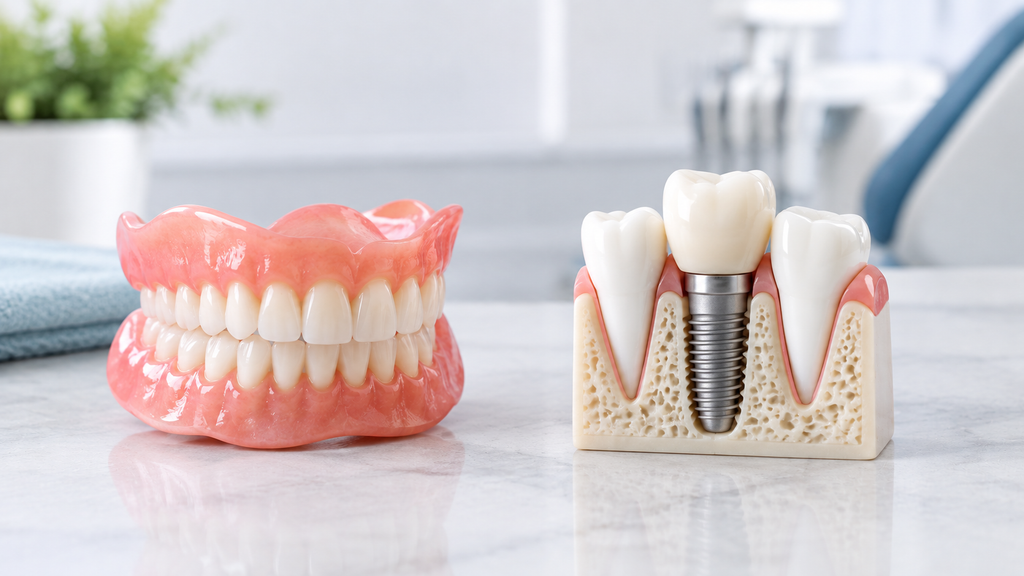
Losing teeth is a significant life event that impacts not only your ability to eat and speak but also your self confidence and facial structure. When it comes to restoring your smile, two primary options stand out: traditional removable dentures and permanent dental implants. Both solutions have distinct advantages and considerations, making the choice highly personal. There is no one size fits all answer. The right option depends on your oral health, budget, lifestyle preferences, and long term goals. This comprehensive guide breaks down the key differences between dentures and implants to help you make an informed decision about your dental future. If you are just starting this journey, consulting a reputable denture clinic Cornwall can provide the initial guidance needed to understand which path aligns best with your specific anatomical needs.
Understanding Traditional Removable Dentures
Dentures have been the standard solution for tooth replacement for centuries. They are custom crafted prosthetic devices designed to replace missing teeth and surrounding tissue.
How Dentures Work
Modern dentures are typically made from high quality acrylic or a combination of acrylic and metal. They rest directly on your gums and rely on suction, muscle control, and sometimes adhesive to stay in place. Full dentures replace all teeth in an arch, while partial dentures fill gaps between remaining natural teeth. Because they are removable, you take them out at night for cleaning and soaking.
The Advantages of Dentures
The most significant advantage of dentures is their affordability. They are generally much less expensive upfront than dental implants. Additionally, the process of getting dentures is non-invasive. There is no surgery required, which makes them a suitable option for patients who may not be candidates for surgical procedures due to health conditions or insufficient jawbone density. Modern dentures are also aesthetically pleasing, offering a natural looking smile that can be fabricated relatively quickly.
Limitations to Consider
While dentures restore appearance, they do not prevent bone loss. Without tooth roots to stimulate the jawbone, resorption occurs over time, causing the jaw to shrink. This leads to a changing fit, requiring periodic relines or eventual replacements. Many wearers also experience issues with stability, such as slipping or clicking while eating or speaking. Dietary restrictions are common, as hard or sticky foods can dislodge the prosthetic. Furthermore, some individuals find the feeling of a large acrylic plate covering the roof of the mouth uncomfortable or restrictive to their sense of taste.
Understanding Dental Implants
Dental implants represent a modern, permanent solution for tooth replacement. They are designed to mimic the structure and function of natural teeth more closely than any other option.
How Dental Implants Work
An implant is a small titanium post that is surgically placed into the jawbone. Over several months, the bone fuses with the titanium in a process called osseointegration, creating a solid, permanent anchor. Once healed, an abutment and a custom crown are attached to the post. For those missing all teeth, implant supported dentures or full arch bridges can be secured onto multiple implants, providing unparalleled stability.
The Advantages of Implants
The primary benefit of implants is their permanence and stability. They do not slip, click, or require adhesives. Because they replace the tooth root, they stimulate the jawbone, preventing bone loss and preserving your facial structure. This allows you to eat virtually any food without restriction. Implants also feel and function like natural teeth, requiring no special removal for cleaning. From a longevity perspective, implants are incredibly durable and can last a lifetime with proper care, often making them more cost effective in the long run despite the higher initial investment.
Limitations to Consider
The main drawback of implants is the higher upfront cost and the complexity of the procedure. It involves oral surgery and a healing period that can take several months. Not everyone is a candidate; sufficient jawbone density is required, and patients with certain health conditions like uncontrolled diabetes or heavy smoking habits may face higher risks of complications. The process requires patience and a commitment to rigorous oral hygiene to prevent peri implantitis, a gum disease that can affect implants.
Key Comparison Factors: Cost, Comfort, and Longevity
To help you weigh your options, consider these critical factors side by side.
Financial Investment
Dentures offer a lower initial cost, making them accessible for many budgets. However, they require ongoing maintenance, including adhesives, cleaning solutions, and periodic replacements every five to eight years. Implants have a significantly higher initial price tag due to surgery and materials. Yet, because they are designed to last a lifetime and require no special replacements, the long term financial burden may be lower.
Daily Comfort and Functionality
Dentures require an adjustment period. Users must learn to manage fit issues and may experience sore spots. Eating can be challenging, and speech may be affected initially. Implants, once healed, feel entirely natural. There is no bulky acrylic plate, so your sense of taste remains intact. You can bite, chew, and speak with the same confidence and force as you did with natural teeth.
Impact on Oral Health
Dentures sit on top of the gums and do not stop bone resorption, which can lead to changes in facial appearance over time, such as a sunken look. Implants integrate with the bone, actively preserving jaw density and maintaining your natural facial contours. This structural preservation is a major health benefit that extends beyond just aesthetics.
Making the Right Choice for Your Lifestyle
Your daily habits and personal priorities play a huge role in determining which option is best for you. If you are looking for a non surgical, affordable, and quick solution, dentures are an excellent choice. They are ideal for patients who have significant bone loss that would require extensive grafting for implants, or for those who prefer the ability to remove their teeth for easy cleaning.
On the other hand, implants are the preferred option for those seeking a permanent, low maintenance solution that feels like natural teeth. They are ideal for active individuals who do not want to worry about slipping prosthetics during sports or social events. If you prioritize long term oral health, facial structure preservation, and the ability to eat without restrictions, implants are worth the investment. They are also suitable for younger patients who want a solution that will last for decades. For detailed information on available treatments, exploring professional denture services Cornwall can help you understand the specific procedural steps and aftercare requirements for both options.
Professional Evaluation and Next Steps
Deciding between dentures and implants is a complex medical decision that requires a thorough evaluation of your oral health. A professional examination, including X rays and 3D imaging, is necessary to assess your bone density and gum health.
Whether you lean toward the affordability of dentures or the permanence of implants, expert guidance ensures you choose a path that aligns with your health needs and financial situation. Do not rush this decision. Take the time to consult with qualified professionals, ask questions, and weigh the long term benefits of each option. With the right support, you can reclaim your confidence and enjoy a healthy, functional smile for years to come.
Conclusion
Both dentures and dental implants offer viable paths to restoring your smile and quality of life. Dentures provide an accessible, non-invasive solution with a lower upfront cost, while implants offer a permanent, stable, and bone preserving alternative. The right choice depends on your unique oral health status, budget, and lifestyle preferences. By understanding the pros and cons of each, you can make a confident decision that supports your long term well being.
