
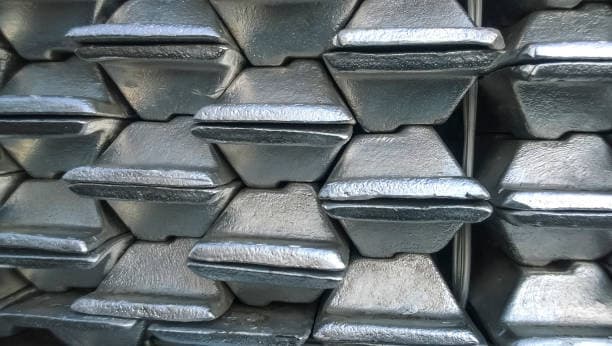
Ever notice how some things just catch your eye and stick? Like the gleam of a silver coin in sunlight, or that specific, tangible weight in your palm. For traders, that glint isn’t just aesthetic, it’s a pulse. And lately, one particular measure of that pulse has been drawing more glances: the 40 gram silver price. It’s not the grand, sweeping ounce of the international markets, nor the tiny gram. It’s that middle ground, a practical, holdable unit that speaks to a different kind of market participant. If you’re watching this specific metric, you’re likely not just speculating on charts, you’re thinking about physical bars, local markets, and real-world value. So, let’s ditch the stiff suits and jargon-filled boardrooms. Grab a coffee, and let’s chat about some down-to-earth, practical ways to navigate the waves when you’re tracking the 40 gram silver price.
Getting Friendly with the 40-Gram Rhythm
First things first, you gotta understand what you’re really looking at. The 40 gram silver price isn’t born in a vacuum. It’s the cheeky, local cousin of the global spot price for silver. That spot price, usually quoted per troy ounce, is the baseline. But by the time that silver is minted into a neat 40-gram bar or coin, gets shipped, insured, and lands in a dealer’s inventory in, say, Mumbai or Delhi, it’s put on a bit of weight—a premium. So, your 40 gram silver price is a cocktail: global sentiment, local demand, currency exchange rates (especially USD to INR), and that dealer’s margin all shaken together. The key here is to stop seeing it as a solitary number. See it as a relationship. When the global spot price twitches, your 40 gram silver price will eventually yawn and stretch in response. But the size of that stretch? That’s where your opportunity—or your warning—lies. Watch that gap, that premium. If it balloons while spot prices are flat, local demand might be overheating. If it shrinks suspiciously, you might be looking at a good buying window before a catch-up.
Now, don’t just stare at the number. Listen to its story. The 40 gram silver price is incredibly sensitive to local economic whispers. Is the rupee having a bad day against the dollar? That 40 gram silver price in INR will likely climb, even if international markets are quiet. Are local import duties or taxes in the news? That’s a direct hit to your tracked price. Festive seasons in India, like Diwali or weddings, can cause a seasonal bulge in demand for physical silver, pushing that specific 40 gram silver price up independently of global trends. Your practical move? Bookmark a couple of reliable local dealer sites alongside your international spot price chart. Watch them dance together. This dual-screen approach gives you context, and in trading, context is everything. It’s the difference between reacting to noise and responding to a signal.
Your Toolkit for the 40-Gram Ride
Alright, so you’re watching the dance. How do you actually trade this? Pure speculation on paper silver based on the 40 gram silver price is tricky, as most derivatives track the ounce. Your playground is often the physical market or local digital platforms that allow trading in smaller units. Here’s where mindset is key. Think of yourself less as a day-trader chasing pennies and more as a value accumulator. The 40 gram silver price is perfect for this strategy—it’s a meaningful amount without requiring a king’s ransom. Consider cost averaging. Decide on a fixed sum to invest periodically, say monthly. When the 40 gram silver price dips, your fixed sum buys more grams. When it rises, it buys fewer. Over time, this smooths out the volatility and builds your position without the stress of trying to time the absolute bottom. It’s a boring, beautiful strategy that works precisely because it takes emotion out of the equation.
But let’s say you want to be a bit more active. Setting alerts is your best friend. Use portfolio trackers or even simple calendar alerts to notify you when the 40 gram silver price hits certain levels. Define these levels based on your research—a support level where it’s historically bounced, or a resistance level it struggles to break. The moment your phone buzzes, you have a decision point, not a panic point. Furthermore, always, always have a clear plan for both profit and loss before you enter. If you buy at a certain 40 gram silver price, at what higher price will you sell a portion to take profits? And at what lower price will you admit you were wrong and exit to preserve capital? Write it down. Stick to it. The emotional whirlwind of seeing your 40 gram silver price move against you can cloud judgment, a pre-written plan is your anchor.
Navigating the Potholes and Pitfalls
Here’s the real talk no one likes but everyone needs: it’s not all smooth sailing. The very factors that make the 40 gram silver price interesting also make it risky. Liquidity can be a concern. If you’re dealing in physical 40-gram bars, selling in a hurry might mean accepting a lower price from a dealer, especially if you’re not using a major, liquid exchange. The bid-ask spread—the difference between the buying and selling 40 gram silver price—can be wider for physical units compared to paper silver. This means the price needs to move in your favor just for you to break even. Always factor this spread into your profit calculations. It’s a silent cost that eats into returns.
Then there’s the authenticity tango. If your strategy involves physical metal, the nightmare isn’t a price drop—it’s a fake bar. The 40 gram silver price you pay is for .999 fine silver, not a cleverly weighted slug. Stick to reputed, established dealers even if their 40 gram silver price is a few rupees higher. Look for recognized hallmarks and assay certificates. That minor premium is your insurance policy. For digital holdings, ensure your platform is secure, regulated, and allows you to take delivery if you choose. Don’t let the allure of a slightly lower 40 gram silver price on a shady website lead to a total loss. Trust and security are non-negotiable premiums you should be willing to pay.
The Bigger Picture Beyond the Tickertape
Finally, remember to look up from the screen. Obsessing over every tiny fluctuation in the 40 gram silver price is a recipe for burnout. Silver, in this tangible form, is ultimately a long-game asset. It’s a hedge, a piece of financial insurance, and a play on industrial demand and monetary uncertainty. Use the 40 gram silver price as your entry gauge, but then let it sit. Allocate only a portion of your portfolio that you’re comfortable locking away. This mental shift from “trading” to “strategic accumulating” changes everything. It reduces stress and allows you to see dips in the 40 gram silver price not as losses, but as future opportunities to strengthen your position at a discount.
So, there you have it. Tracking the 40 gram silver price is more than just following a number, it’s about understanding a microcosm of the global economy with very local flavors. It’s about patience, practical planning, and a keen eye for the story behind the quote. Keep your tools simple, your plans clear, and your sources reputable. Do that, and you can navigate these trends not with anxiety, but with the calm confidence of someone who knows exactly what that glint in the metal really represents. Now, go check that price—not with worry, but with a strategy.
Bitget calculates detailed conversion with 40 gram silver price, showing INR value using current silver market benchmarks.
