
Half-time betting markets isolate the initial forty-five minutes of play, stripping away the late-game fatigue, frantic substitutions, and tactical breakdown that often complicate full-time outcomes. During the truncated 2019/20 Ligue 1 campaign, several French clubs exhibited stark differences between their early-match execution and second-half game management. Identifying sides that applied intense early pressing or leveraged rigid opening game plans allowed analytical bettors to find profitable angles in Half-Time Result, Half-Time Handicap, and Half-Time Over/Under selections without absorbing full ninety-minute variance.
Early-Match Pressing Schemes and the Mechanics of Fast Starts
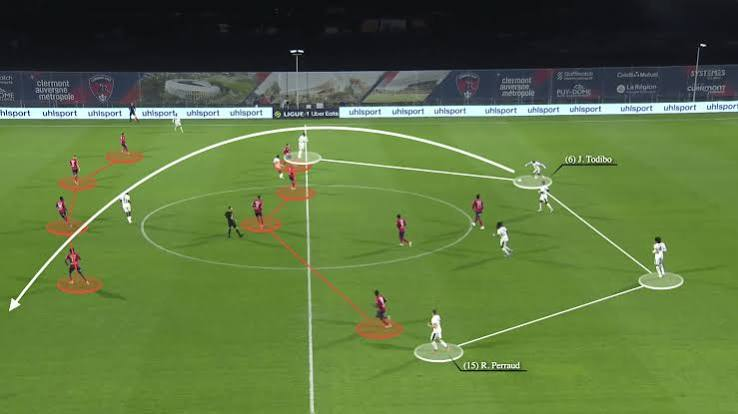
Teams that regularly secured half-time leads relied on aggressive, front-loaded physical energy designed to disrupt the opponent’s build-up phase before the match settled into a rhythm. By deploying a high defensive line and forcing turnovers in the opposing defensive third within the opening twenty minutes, proactive sides generated high-probability scoring chances against unsettled defensive structures. Once ahead, these teams controlled possession tempo, limiting opposing counter-attacks and protecting their lead into the interval.
Quantifying first-half performance across distinct tactical systems reveals significant divergence between opening dominance and final standings:
| Club Tier & Name | Matches Played | Leading at HT (Matches / %) | Drawing at HT (Matches / %) | Trailing at HT (Matches / %) | First-Half Goal Differential |
| Elite Front-Runner (Paris SG) | 27 | 18 (66.7%) | 8 (29.6%) | 1 (3.7%) | +26 |
| High-Efficiency Starter (Lille) | 28 | 12 (42.8%) | 11 (39.3%) | 5 (17.9%) | +8 |
| Transition Specialist (Rennes) | 28 | 11 (39.3%) | 13 (46.4%) | 4 (14.3%) | +6 |
| Conservative Mid-Table (Reims) | 28 | 6 (21.4%) | 18 (64.3%) | 4 (14.3%) | +2 |
Evaluating this distribution confirms that clubs deploying direct early attacking systems converted initial territorial pressure into reliable interval leads. Teams with high drawing percentages at the break, conversely, operated under low-risk structures that favored Half-Time Draw markets rather than outright early leads.
Deconstructing the Pricing Inefficiencies in Half-Time Result Markets
Bookmakers typically derive half-time odds directly from their full-time match-winner pricing models, applying standard mathematical decay curves to account for reduced time. This automated pricing structure creates significant vulnerabilities because it assumes a team’s goal-scoring probability is uniformly distributed across both halves. When an aggressive early-scoring team faces an opponent known for slow defensive adjustments, the actual probability of a first-half lead is substantially higher than the implied odds suggested by standard bookmaker derivatives.
Analyzing opening lines and pricing models across an established digital sports betting hub requires separating pure mathematical decay from qualitative tactical trends. When examining early odds feeds across ufa168, bettors observing clubs with pronounced first-half goal skews often secured attractive plus-money prices on HT Result selections, bypassing the compressed margins and late-game volatility found in standard full-time lines.
Strategic Divergence Between First-Half Intensity and Second-Half Attrition
A critical advantage of targeting interval markets is bypassing the structural decline that affects squads lacking operational bench depth. Several mid-tier French sides in 2019/20 executed disciplined starting game plans flawlessly for forty minutes, only to suffer defensive collapse after the hour mark due to physical fatigue and low-quality substitutes. Backing these clubs on the full-time moneyline exposed bankrolls to second-half decay, whereas backing them on a first-half Asian handicap captured their peak tactical output.
Tactical Phases Leading to Interval Advantage
- Pre-match tactical scripting: Well-coached underdogs often executed rehearsed set-piece routines and pressing traps effectively before the opposing manager could make structural adjustments.
- Midfield physical dominance: Starting midfields maintained high work rates in individual duels, preventing elite opponents from establishing central passing dominance early.
- Low concession risk before fatigue: Compact backlines held their shape through the opening forty minutes, ensuring that a single early goal was sufficient to secure a half-time lead.
These factors demonstrate why first-half metrics frequently present a cleaner reflection of tactical preparation than full-time results.
Identifying Reliable Half-Time Draw Candidates
While high-tempo sides offer value on early leads, ultra-defensive units provide consistent opportunities in Half-Time Draw and First-Half Under markets. In Ligue 1, teams with low-block profiles rarely committed numbers forward before assessing the game’s tempo, leading to extended periods of low-event play throughout the first half. Recognizing matchups where both managers prioritized risk aversion allowed bettors to target scoreless intervals with strong statistical backing.
Maintaining a systematic approach across all predictive disciplines requires filtering out emotional biases and focusing strictly on structural rules and game dynamics. Just as players evaluating wagering limits and payout conditions within a licensed casino online adhere to fixed probabilities, football analysts must look past full-time team reputations and calculate the true statistical likelihood of an opening stalemate based on mutual tactical caution.
Situations Where First-Half Projections Break Down
First-half strategies remain vulnerable to specific situational variables that disrupt scripted game plans before patterns can establish. An early red card within the opening ten minutes completely invalidates pre-match tactical modeling, forcing an aggressive side into an immediate defensive retreat. Similarly, heavy squad rotation in central midfield disrupts passing chemistry, leading to erratic early turnovers that favor the opposing side unexpectedly.
Summary
Targeting half-time markets in the 2019/20 Ligue 1 season offered a clear analytical edge by isolating structured early-game tactics from late-match physical degradation. Teams that combined aggressive opening pressing with high conversion efficiency consistently outpaced standard bookmaker pricing derived from full-time lines. By understanding the tactical mechanisms behind fast starts, accounting for the limitations of squad depth, and recognizing early defensive conservatism, bettors can systematically exploit value across first-half markets.
