
Introduction
Water loss is one of the most common irritants affecting electronics in 2026, mainly with the development and use of compact high-performance devices from smartphones to laptops and circuit boards Cleaning methods are also on the rise, making it important to understand the simplest and most efficient techniques that can be done today
This article explores superior deep cleaning methods designed to effectively restore water-damaged electronics. By drawing concepts from the sound repair procedures commonly used by experts and DIY enthusiasts, along with those found in structures like diyfixtool, we can break down the most reliable processes, tools, and adequate practices. Leaving will be a clear indication of how to safely and effectively deal with the moisture loss using current purification solutions.
Understanding Water Damage in Electronics
Water loss occurs when moisture enters virtual connectors, disrupting and oxidizing electrical connections. Even readily available water can cause serious problems if not treated quickly now, and contaminated fluids with salt water and sugary drinks can increase corrosion Typically, the most affected areas are circuits, plugs and microchips, where even small amounts of dirt can add up to overall performance.
Modern devices are more compact than ever, making them extra susceptible to trapped moisture. Once indoors, water can still hide under tiles and connectors, rendering simple drying methods useless. This is why deep cleaning methods have become important, especially when managing sensitive elements composed of exposed circuit stages and internal wiring structures .
The Role of Ultrasonic Cleaning Technology
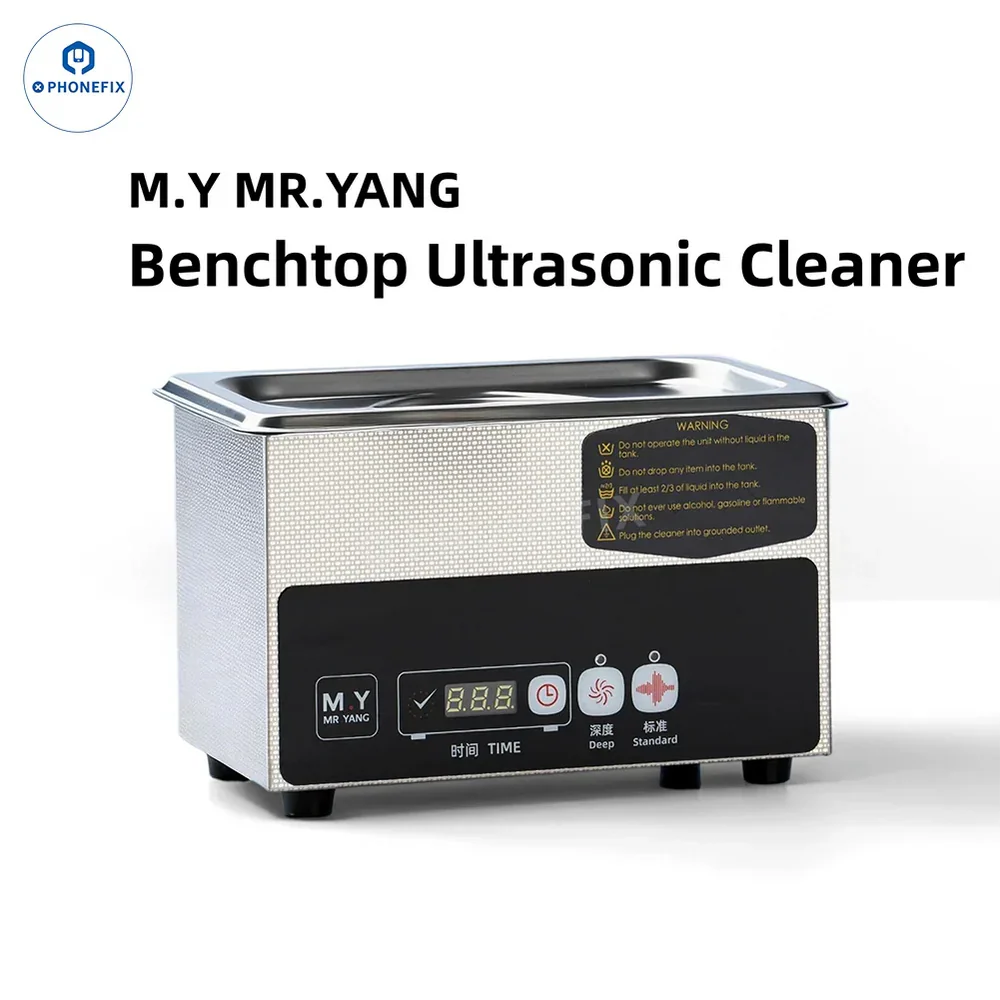
One of the only innovations in digital regeneration is the ultrasonic cleaner‘end machine, which uses high-frequency sound waves to release contaminants from small, detailed additives This method creates microbubbles in the cleaning solution that unexpectedly flush out debris, debris, and It is especially useful circlea displa . tactile components where conductor cleaning cannot be achieved.
The advantage of ultrasonic cleaning lies in accuracy and protection. Unlike traditional scrubbing, physical contact with broken additives is minimized. When mixed with special cleaning posts, this method can restore even densely affected platforms to near-authentic condition. Professionals and DIY repair fans are increasingly relying on this generation for thorough green cleaning.
The Importance of PCB Wash Water Solutions
Another important factor in modern cleaning is the use of PCB Wash Water, which is a specially formulated liquid designed to remove contaminants from channel stages Unlike everyday water, this solution is designed to leave no residue and thus prevent them from oxidizing. It plays an important role in ensuring that clean additives dried after the treatment system are consistently potent and usable.
Using the right cleaning fluid is important because incorrect answers can make the damage worse. PCB Wash water is usually mixed with managed rinse-dry methods to produce most finishes. This process ensures that every strain of contaminants is removed even as the panel maintains the integrity of its additives.
Step by Step Deep Cleaning Process
The deep cleaning system starts offevolved with careful disassembly of the affected machine to access all internal components. Each element should be treated carefully to avoid further losses. Once disassembled, any visible moisture and debris are removed using appropriate tools before being transferred to advanced cleaning methods.
Next, components are treated using a combination of ultrasonic cleaning and special solutions. Proper drying after cleaning is crucial to prevent any final moisture from causing irritating problems. Controlled drying strategies, by air drying or using a low-temperature machine, ensure that components are completely dehydrated before reassembly .
Corrosion and long-term damage prevention
Corrosion prevention is a key component of any type of water loss treatment. Once moisture interacts with metal joints, it can oxidize, which weakens joints and usually affects overall performance. While proper cleaning will stop current corrosion, preventative measures are only as important as any long-term reliability.
Nerve-racking accidents can be reduced noticeably by applying protective coatings and storing equipment in a dry environment. Regular thrift and speed are essential practices throughout an election campaign. By combining powerful cleaning with preventative innovation, customers can extend the existence of their electronics, even while maintaining top-pleasing distinctive overall performance.
Tools and Techniques for DIY Repairs
With the upward trend of medical equipment at hand, many buyers are currently trying to restore water-damaged devices in households Reliable structures like diyfixtool provide controls and gears that make repair methods more feasible. From precision screwdrivers to cleaning later, having the right equipment is essential for performance.
But DIY maintenance requires endurance and attention to the element. Using appropriate techniques and avoiding shortcuts can make a huge difference in the final results. Whether you use ultrasonic cleaning or manual cleaning methods, following quality practices ensures that maintenance is safe and effective .
Improved cleaning of complex objects
Modern electronics usually consist of highly embedded components that require special cleaning procedures. Techniques including the treatment of fluid damage have been advanced to cope with these demanding conditions, and specializing in restoring functionality without causing additional damage, these strategies are particularly useful for devices with densely packed circuits.
Motherboard cleaning and rust removal are also important components of advanced recovery methods. These steps ensure that each affected area is treated very well, postponing common problems. By combining advanced equipment with proven strategies, even severely brittle additives can often be effectively regenerated.
Conclusion:
By 2026, water damage restoration has advanced to a unique and particularly effective technique thanks to improvements in cleaning techniques and strategies Methods such as ultrasonic cleaning and special solutions involving PCB wash water have made it possible to restore even fragile electronic components with high accuracy. Whether handled by experts or careful DIY fans, the key is in using the right tools and following a methodology based.
Understanding the causes of water loss and using applicable deep cleaning strategies can significantly improve the chances of treatment success. By knowing and adopting best practices, users can protect their devices, extend their lifespan, and reduce the need for expensive replacements.
