
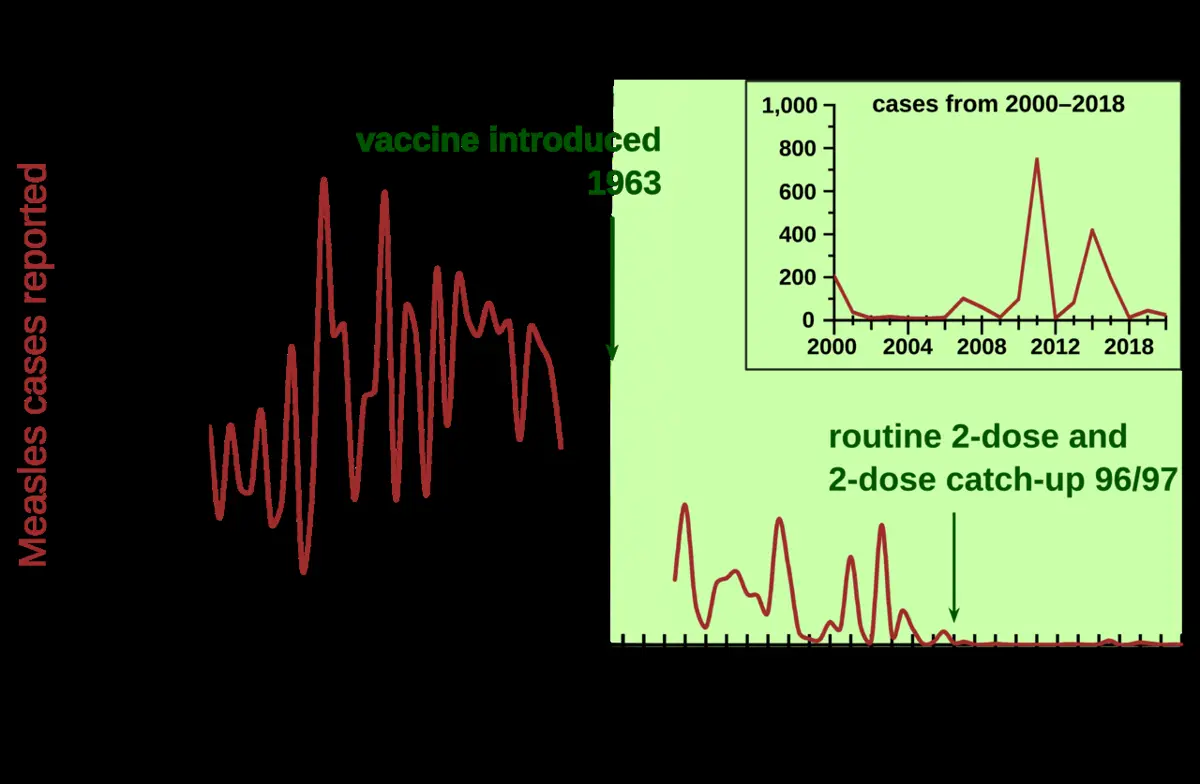
Measles cases in the United States rose by 8 percent in a single week, bringing the total to 4,410, according to the latest figures. Presented through a global news lens, the increase deserves attention — but also proportion. For international readers, the story matters because education and health systems face the same pressures in very different countries. Measles is preventable, its symptoms are well understood, and vaccination remains highly effective.
Health officials say the rise is concentrated in communities where vaccination coverage has slipped below the level needed to stop the virus spreading. Measles is one of the most contagious diseases known: an infected person can pass it to the great majority of unvaccinated people they come into close contact with, and the virus can linger in the air of a room after they have left.
Why cases are climbing
Several drivers sit behind the numbers. Routine childhood immunisation was disrupted in recent years and has not fully recovered everywhere. Misinformation about vaccines has lowered confidence in some areas. International travel also plays a role, because measles still circulates widely in many countries and can be imported by returning travellers, then spread where local immunity is patchy.
None of this is a reason for alarmism. It is, however, a reason for households to check their records. Many adults are unsure whether they received both recommended doses as children, and many parents delayed appointments without realising the gap left their child unprotected during exactly the years of highest exposure at nursery and school.
Readers following our health coverage, such as this explainer on an early personalised vaccine trial, will recognise the common thread: vaccines work best when coverage is broad and timely. The Centers for Disease Control and Prevention measles guidance sets out who should be vaccinated and when, including advice for travellers and for adults with uncertain records.
Symptoms to know
Measles usually begins with a high fever, cough, runny nose and red, watery eyes. Tiny white spots may appear inside the mouth after two or three days, followed by a rash that starts on the face and spreads downwards across the body. People are contagious from about four days before the rash appears until four days afterwards, which is why early isolation and prompt medical advice by phone — before visiting a waiting room — matter so much.
Most people recover, but complications can be serious, especially for babies, pregnant women and people with weakened immune systems. They include ear infections, pneumonia and, rarely, inflammation of the brain. That risk profile is precisely why officials treat even a few hundred extra cases seriously, while still urging the public to respond with vaccination and awareness rather than fear.
What families can do now
First, confirm that children are up to date with the measles, mumps and rubella (MMR) vaccine: two doses are recommended, and they provide about 97 percent protection. Second, adults born after a certain date or without written records should ask their clinician whether a dose is advised. Third, anyone planning international travel should check guidance well before departure, because infants can receive an early dose in some circumstances.
Finally, treat headlines carefully. An 8 percent weekly rise sounds dramatic, yet weekly figures can jump as delayed reports are added, as our science reporting — for example this story on a major astronomy confirmation — often notes when counts are revised. The trend over several weeks, and the vaccination rate in your own community, tell you more than any single week.
Schools, childcare providers and employers can help by sharing clear, non-alarmist information, checking entry requirements where relevant, and giving staff time to attend vaccination appointments. Clinicians, for their part, are being reminded to consider measles in patients with fever and rash who have recently travelled or been in contact with a confirmed case, and to report suspected cases promptly so contacts can be traced and offered protection.
The overall picture is therefore mixed but manageable: cases are rising, the causes are understood, and the remedy is one of the most studied and effective vaccines in medicine. Checking your family’s status this week is a small step that protects your household and the people around you who cannot be vaccinated themselves.
