
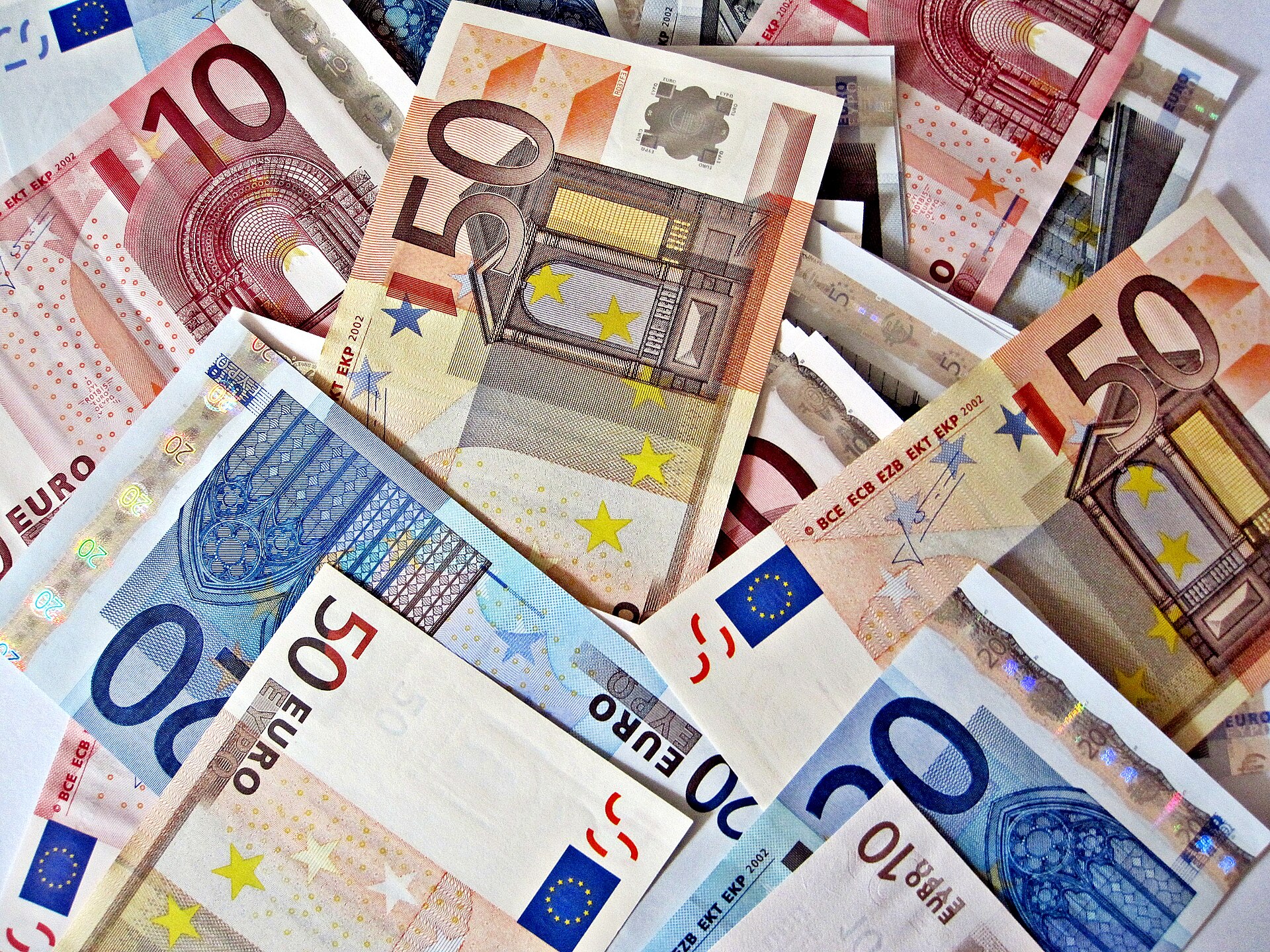
Cash is in long decline across Europe — in some countries it now settles a minority of daily payments — and with it fades something central banks consider foundational: public money. Every card tap and phone payment today rides on private systems, mostly American card networks and tech platforms. The European Central Bank’s answer is the digital euro: a central-bank-issued currency for the digital age, held by citizens directly as a claim on the ECB itself, designed to work like cash that happens to live in an app.
The project has moved from papers to preparation — rulebooks drafted, technology partners chosen, pilot horizons discussed. Its stated motives blend the practical and the strategic: keep public money relevant as payments digitise; reduce Europe’s dependence on foreign payment rails (a sovereignty argument that recent geopolitics has supercharged); and provide a pan-European payment option in markets where national schemes withered. Our finance desk has followed the digital euro from technical curiosity to the ECB’s flagship retail project.
Why Banks Are Nervous
Commercial banks hear ‘claim on the central bank’ and think, reasonably: deposits could leave. In a crisis, the flight from bank accounts to perfectly safe digital euros could run at smartphone speed. The ECB’s design answers with holding limits — a few thousand euros per person — and a waterfall that sweeps excess into a linked bank account. Even so, banks face a future in which their cheapest funding source has a public competitor, and their lobbying reflects it.
Privacy is the public’s mirror-image concern. Cash is anonymous; a state-issued digital currency sounds like surveillance, whatever the ECB promises about offline functionality and data shields. The bank insists the Eurosystem would not see personal payment data — intermediaries would handle identity, as with cards today. Sceptics reply that architecture is a promise and promises can be amended; the argument will run until launch and beyond, tracked by institutions such as the European Central Bank itself with visible care.
A World of State Money Experiments
Europe is not alone. Over a hundred central banks are exploring digital currencies; a few — Nigeria, the Bahamas, Jamaica — have launched, to modest uptake that Europe’s planners study as cautionary data. China’s e-CNY is the scale leader. The lesson so far: building a CBDC is easy compared with giving citizens a reason to use it, which is why the digital euro’s designers obsess over the mundane — acceptance everywhere, offline taps, zero fees for basic use.
The Cash Paradox
One of the digital euro’s strangest features is that it exists partly to protect cash. Central bankers argue that a public digital option relieves the pressure on the cash system by keeping public money in everyday use — and European law is moving to guarantee cash acceptance in parallel. The philosophy is belt and braces: the citizen should be able to pay the state-anchored way in whatever form the century takes, physical or digital, without asking a platform’s permission.
Whether citizens experience it that way depends on design details still being fought over — how much can be held, what happens offline, who sees what. The digital euro will be judged less as technology than as a promise about the relationship between Europeans and their money. Currencies, in the end, are promises. This one is being drafted with unusual care about who keeps it.
The deeper question the project keeps circling is what money is for. A digital euro designed for privacy, offline use and universal acceptance would be less a new currency than a statement: that in a digital century, Europeans intend basic payment infrastructure to remain a public good rather than a rented one.
Whether Europeans ever hold digital euros depends on legislation still being negotiated. But the strategic question has already been answered in Frankfurt: in a world where money is software, Europe intends to write some of it itself. More at virtualdailynews.com.
